sound moms
Get Involved / Sound Moms

Homemakers.

Building a mothers’ movement.
One playdate at a time.
One hike at a time.
One book club at a time.

More connection. A deeper sense of belonging.
A community ready to care for tomorrow.

Find Your Way In ↓
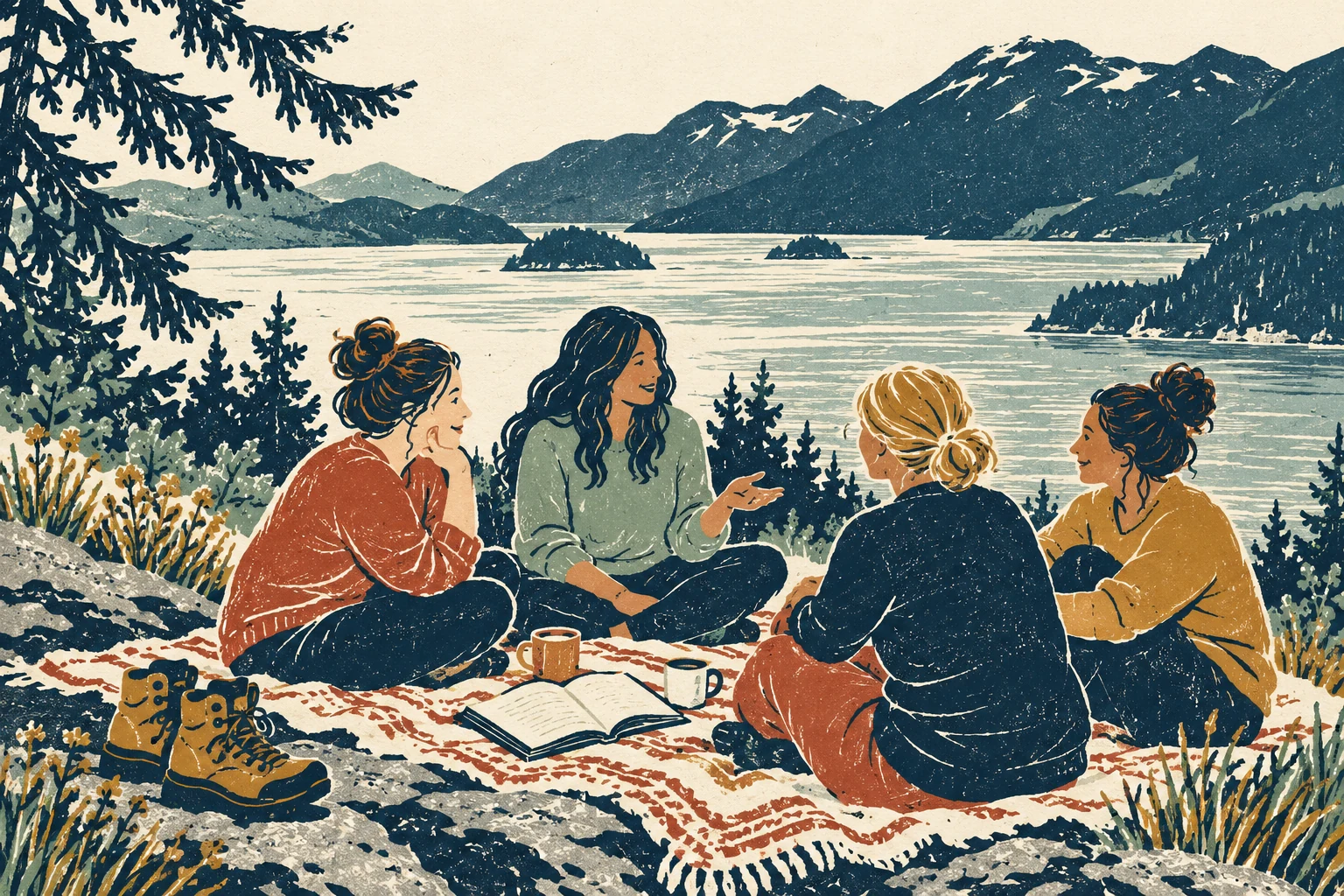
Original coastal print-style illustration of four women sharing a book and conversation beside the Howe Sound
01 / Gather Together

Find your people.
Start with what you love.

Home is the people who hold us. The air that fills our lungs. The land and water that sustain us. The feeling that we belong—and have something precious to care for.

Whether you work at home, away from home or both, there’s a place for you here. Choose a way to connect that fits your life.

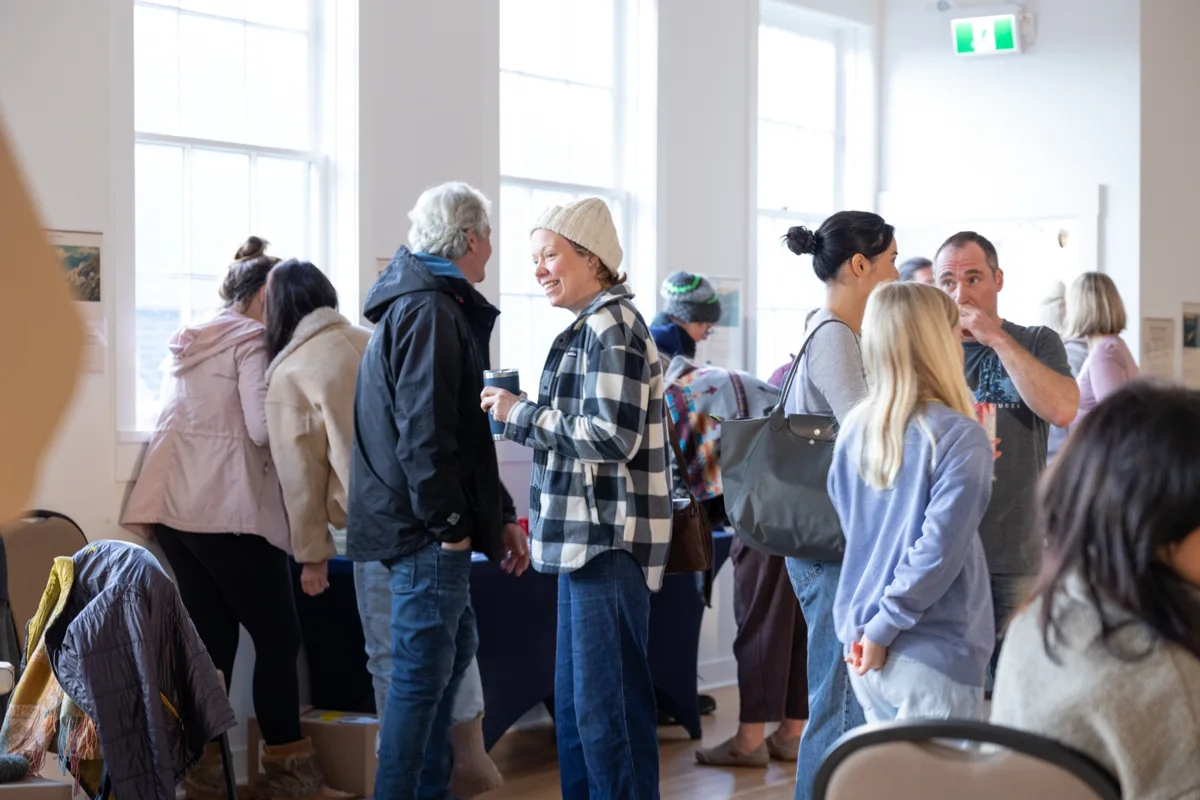
Neighbours chatting in small groups at Britannia Beach Community Hall.
Neighbours catching up at our November 15 community meeting.
01 / Body

Move & Unwind Together.

Here in Canada’s adventure capital, connection can begin on a trail, in a class or beside the water. Start with something you already enjoy.

  • Hike & take in the view. Meet at the Sea to Sky Gondola ↗ or choose a familiar trail near home.
  • Make it a workout date. Join a class, go for a run or meet for a workout. Stay for a stretch, a coffee or a chat.
  • Ride together. Plan a bike ride that suits your circle, with time to stop and connect.
  • Walk & talk. Try a Britannia Beach shoreline stroll, a dog walk or a gentle loop after drop-off.
  • Warm up together. Plan a sauna session with a few moms, with time to unwind and talk. Choose a setting that welcomes conversation, agree on the cost beforehand and leave room for a tea or a chat outside.
  • Make it a regular hello. Offer a familiar time to meet so friendships have room to grow.

Begin with: “Want to move together this week?” Agree on the route, pace, cost and turnaround time. Offer a shorter route or a seated catch-up if that would help someone join.

Sauna, Belonging & Wellbeing: Explore Four Studies

More than warmth. Time to feel connected.

Research across different sauna cultures points to shared ritual, a sense of belonging and room to unwind as meaningful parts of the experience. Here are four complementary studies.

Shared Ritual / United Kingdom
Feeling part of something.

Newson and colleagues · 2026 · Three studies

Researchers found links between feeling connected to a sauna community and reported wellbeing. Before-and-after measures also showed short-term improvements in emotional wellbeing; shared emotional experiences and viewing sauna as a ritual were associated with stronger group connection.

The studies used surveys of sauna users and event attendees, rather than random assignment to sauna or a comparison activity.

Read the Research — Social Science & Medicine ↗
Women & Community / South Korea
A place to belong.

Woo and colleagues · 2025 · 15 women, ages 40–65

Interviews explored how shared sauna visits became a source of membership, enjoyment and emotional connection. Relationships extended into shared leisure activities and participation in one another’s personal events.

A small qualitative study of women’s experiences in a specific cultural setting.

Read “Sauna Is My Nest!” — Leisure Sciences ↗
Recovery & Togetherness / Sweden
Space to exhale.

Engström and colleagues · 2026 · 588 regular sauna users

A questionnaire study of 384 women and 204 men identified mental recovery and social togetherness among the main motivations for sauna bathing. Mental recovery ranked highest among women; social togetherness ranked highest among men.

These were self-reported motivations and perceived benefits in a cross-sectional survey.

Read the Study — International Journal of Circumpolar Health ↗
Self, Others & Nature / Lived Experience
A different kind of connection.

Magatova, Hunt & Lay · 2026 · 11 regular sauna users

In-depth interviews identified three themes: connection to oneself, to other people and to nature. Participants described trust, authentic interaction, emotional release and sensory experiences involving natural elements.

Participants were ages 22–49 and all white Europeans. Their experiences cannot represent every sauna user.

Read the Study — Qualitative Health Research ↗

For our circles: a sauna session can be an invitation to slow down and spend unhurried time together. Choose a setting that suits your group, respect quiet areas and keep conversation optional.

What the evidence supports: a promising social practice, with findings about belonging, shared ritual and perceived wellbeing. These studies do not establish that heat itself builds trust, that sauna is better than other ways of gathering, or that everyone will experience the same benefits.

02 / Heart

Connect by Heart.

Gather over tea, at a kitchen table or beside the water. Share what’s bringing joy, what feels hard and what you hope for. Take turns listening, with room to pass.

Begin with: “What’s on your heart—and what would help you feel supported?” Close by offering one small act of care.

03 / Mind

Grow Your Mind.

A shared book gives us words for what we’re feeling and a reason to meet again. Explore Active Hope: what surprised you, challenged you or opened up a possibility?

Begin with: invite a few moms to the three-part guided book circle ↓. Each gathering ends with a small step to carry into everyday life.

04 / Soul

Nourish Your Soul.

Watch the light across the Howe Sound. Share a song, a moment of gratitude or a memory of someone who taught you to care. Make room for each person’s beliefs, questions and sense of wonder.

Begin with: a quiet pause together. Ask, “What helps you feel connected to something larger than yourself?” Share a word, a story or simply the moment.

“Never doubt that a small group of thoughtful, committed citizens can change the world; indeed, it’s the only thing that ever has.”
— As printed in Earth at Omega, attributed to Margaret Mead
Already Gathering? Start There.

Everyday moments.
Extraordinary beginnings.

Play togetherA playdate. A little more connection.

Meet at a familiar park or kitchen table. Let the children play while you check in: what’s bringing you joy, and what would make this week easier?

Start here: invite one family you’d like to know better.

Celebrate togetherA birthday. A wider circle.

Celebrations bring neighbours into one another’s lives. Introduce two parents, welcome a new family or offer to share the setup and cleanup.

Start here: make one introduction. Let the party be a party; friendship is a beginning.

Imagine togetherA book club. A shared possibility.

A story can give us words for what we’re feeling—and a reason to keep gathering. Bring your curiosity, your questions and whatever you managed to read.

Start here: invite a few moms to try the three-part Active Hope circle below.

Joy Today / Resilience for Tomorrow

The friendships we grow today
can help hold us tomorrow.

As our climate changes, families here face challenges including wildfire, extreme heat and flooding. We want to build mothers’ networks across Britannia Beach, Furry Creek and Squamish that help us prepare, adapt and keep caring for one another.

Start with everyday support: check in · offer a ride · share a skill. Agree on a way to stay in touch, and explore local climate-preparedness resources ↗ together.

We’re building more than a response to hard times. We’re building the kind of community we want our children to grow up in.

Care goes both ways. Share hosting, snacks and practical support. Make room for different needs, honest questions and everyone’s own pace.

02 / Read Together · Active Hope

A circle of moms.
A practice of hope.

Three gatherings. A little reading.
Room to imagine what we can do together.

Read Active Hope by Joanna Macy and Chris Johnstone, one part per gathering. Try meeting monthly, with space to reflect and take a small shared step.

Keep it doable: a few moms, about an hour. Each group decides how to meet, including whether children attend. Read or listen at your own pace; unfinished books welcome.

A self-guided invitation for your own circle. Sound Moms dates are not yet announced.

I’m Interested in a Book Circle →
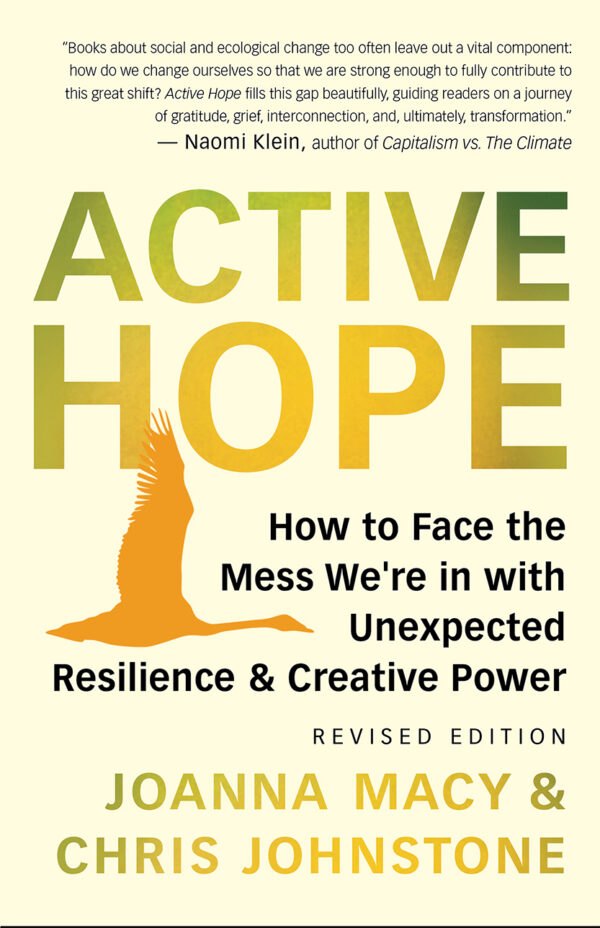
Cover of Active Hope by Joanna Macy and Chris JohnstoneExplore Active Hope ↗

3 GatheringsAbout 60 Minutes EachRead · Reflect · Try Something Together

Gathering 01 / Feel & connect

Begin with
what we love.

Read: Part One, “The Great Turning” · Chapters 1–4.

Make room for gratitude and honest feelings about the place our children will inherit.

Open the Gathering Guide
  1. Arrive · 5 min. Settle in. Agree that anyone can pass, pause or step out. Keep one another’s stories private.
  2. Notice · 10 min. Each name one ordinary thing in the Howe Sound you love: a birdcall, a mountain view, a child’s favourite beach.
  3. Talk · 15 min. What stayed with you from the reading? What feels hopeful, difficult or unresolved? Listen without rushing to fix it.
  4. Make a care map · 20 min. On paper, draw or list the people, places and living things your circle cares about. Each person can add one hope or concern beside something they love.
  5. Close · 10 min. Ask: what would help you feel supported before we meet again? Choose one easy offer of care and your next date.

Carry it forward: share a walk or a check-in with someone from the circle.

Gathering 02 / Belong & imagine

Discover what
we hold together.

Read: Part Two, “Seeing With New Eyes” · Chapters 5–8.

Explore the relationships, skills and support already around us.

Open the Gathering Guide
  1. Arrive · 5 min. Check in with a word or a feeling. Passing is always welcome.
  2. Reconnect · 10 min. Name one time someone’s support made something possible for you.
  3. Talk · 15 min. What becomes possible when we think as neighbours rather than people carrying everything alone?
  4. Draw our circle of support · 20 min. Make three columns: “What we can offer,” “What we need” and “Who we could learn from.” Include small things—rides, listening, snacks, a venue or a good question. Ask permission before sharing anyone’s name or contact details outside the group.
  5. Close · 10 min. Choose one connection to strengthen. Agree who will make an introduction or ask for help, and when you’ll meet again.

Carry it forward: try one practical exchange of support, without taking on more than you can offer.

Gathering 03 / Choose & begin

Take one
step together.

Read: Part Three, “Going Forth” · Chapters 9–13.

Turn a shared hope into a manageable next step, with support built in.

Open the Gathering Guide
  1. Arrive · 5 min. Check in on your energy and capacity today.
  2. Imagine · 10 min. Picture a good ordinary day here for our children years from now. What do you hope they can still hear, see and do?
  3. Talk · 15 min. Which shared hope feels close enough for us to begin? What would make taking part worthwhile and sustainable?
  4. Make a one-step plan · 20 min. Choose one action: read a local research article together, send a shared question to a representative, organize a shore gathering or offer a skill to Sound Moms. Write down the first step, who freely volunteers, what help is needed and a realistic date.
  5. Close · 10 min. Decide how to check in and celebrate the effort. Make space for rest, a changed plan and people joining later.

Carry it forward: meet again after your first step. Ask what you learned and what you want to try next.

Make the circle your own. These are original Sound Moms gathering prompts inspired by the book’s themes. For the authors’ practices and additional support, explore the official book-group resources ↗. The reading plan follows the three-part chapter outline ↗.

Matrescence by Lucy Jones — book cover
Begin With Motherhood

A new way to understand
who we’re becoming.

Matrescence: On the Metamorphosis of Pregnancy, Childbirth and Motherhood
by Lucy Jones

A personal and researched exploration of becoming a mother. Start here to talk about identity, care and the support we need from one another.

Try a Matrescence Book Circle

Choose a chapter, read or listen at your own pace, and gather for an unhurried conversation. Original Sound Moms prompts:

  1. Notice the change. How has motherhood changed what you notice, value or need?
  2. Name the support. What would make care feel more shared in your life?
  3. Look ahead together. What kind of community do we want our children—and ourselves—to grow in?

Try one small step: choose a practical way to support one another this week. Each person decides what they want to share.

Explore the Book →
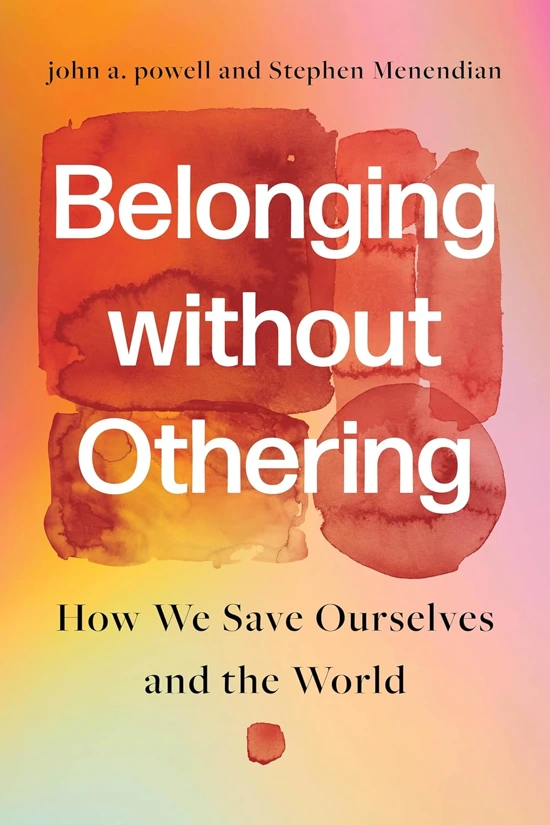
Cover of Belonging without Othering: How We Save Ourselves and the World, by john a. powell and Stephen Menendian
Widen the Circle

A wider circle.
A stronger community.

Belonging without Othering: How We Save Ourselves and the World
by john a. powell and Stephen Menendian

How do we build belonging across different lives and opinions? An invitation to listen with curiosity, widen our welcome and share the power to shape our community.

Try a Belonging Book Circle

Choose a chapter or the publisher’s opening excerpt ↗, then gather for about an hour. These are original Sound Moms discussion prompts inspired by the book’s themes.

  1. Remember a welcome. When have you felt you truly belonged? What did someone do that made the difference?
  2. Look at our circle. Whose perspective might we be missing? What could make joining easier—cost, timing, access or how invitations are shared?
  3. Practise a bridge. How could we listen to someone who sees a local issue differently, while staying clear about our care for children and the Howe Sound?

Try one small change: agree on something your group will do to make belonging more real, then check in about what you learned.

Explore the Othering & Belonging Institute’s Book-Club Resources ↗
Explore the Book →
03 / Make Waves

Let your care
be heard.

One thoughtful message can begin a conversation. Choose where you’d like to start.

01Contact Your RepresentativesFind the right person, make a clear request and add a personal touch.

You don’t need to be an expert to ask for answers. Tell your representative what matters to you, what you’re concerned about and what you want them to do next.

Patrick Weiler
Federal / Your MP

Patrick Weiler

West Vancouver–Sunshine Coast–Sea to Sky Country

For federal climate policy, marine matters and federal decisions affecting the Howe Sound. Ask which department is responsible and what his office can do.

MP Profile & Contact →Photo: Patrick Weiler’s website
01

Make it personal.

Say where you live and why this matters. Share your own experience; link to a source when making a factual claim.

02

Ask for one thing.

Choose a clear request: a meeting, independent testing, accessible results or an explanation of safeguards.

03

Keep it going.

Ask for a reply. Save your message, note the response and follow up respectfully if you need more information.

Open a Short Message You Can Make Your Own

Replace the bracketed text and adapt the request to the person you’re contacting. Choose the issue that matters most to you.

Write about the Woodfibre air-emissions application

Use the guided letter builder to connect your own story to evidence, application pages and specific protections.

Build a Permit Letter →

Do it together. Set aside ten minutes at your next gathering to write. Each person can use their own words, or your circle can agree on a shared letter and invite people to sign it. A short, thoughtful message is a place to begin.

For project permits and current participation opportunities, visit the BC Energy Regulator’s Woodfibre LNG page ↗ and follow the relevant notice’s submission instructions.

02Write to The Squamish ChiefShare your perspective and help bring a local concern into the conversation.

A letter to the editor can put your concerns into the community conversation. Share what you love about living here—and one thing you want our community to consider.

One point. Your own words.

Connect your concern to life here, support it with a reliable source and finish with one constructive request.

Open the Five-Step Writing Guide
  1. Start with something local. Respond to a recent Squamish Chief article, a community decision or a question that matters here. Name the article and date if you’re replying to coverage.
  2. Say why you care. A short personal detail can make your point clear: the place you’re raising children, the shore you walk or the future you hope for.
  3. Support one clear point. Use a reliable source for factual claims. Separate what is known from what you’re concerned about, and include a source link for the editor.
  4. End with a constructive request. Ask for something specific—independent monitoring, accessible public results or a public conversation about safeguards.
  5. Keep it short and send it. We suggest a focused first draft of about 150–250 words. Read it aloud, trim repetition and follow the paper’s current submission requirements.

Make it a writing date. Bring a draft to your next gathering. Ask a friend: is my main point clear, is it accurate, and does it sound like me? Then each person can choose whether to submit their own letter.

Explore Sources for Your Letter →
The Tradition Behind the Invitation

Women have long gathered to build skills, networks and a public voice. Explore the history of the Women’s Institutes.

Explore the History: From Local Circles to Wider Campaigns
1897 / Learning Together

Practical skills.
Lasting connections.

The first Women’s Institute formed in Stoney Creek, Ontario, in 1897. Its early focus was education in homemaking and childcare. Branches became places for women to meet, exchange knowledge and work on community needs.

Explore the Ontario history ↗
1919 / Connecting the Circles

Local groups.
A national network.

Provincial representatives formed the Federated Women’s Institutes of Canada in 1919. Local concerns could now reach a national organization. Its history records advocacy for women’s employment rights, education and health care by the end of the 1920s.

Read the Canadian movement history ↗
1954 & Beyond / Public Action

A shared concern.
A campaign takes shape.

In Britain, a 1954 WI resolution against countryside litter led to the formation of Keep Britain Tidy. The WI also became a founding organization of the Fairtrade Foundation in 1992—a concrete link between local women’s networks and wider campaigns.

Explore the campaign timeline ↗

What we can carry forward: meet regularly, share knowledge, practise organizing and connect small groups around a common purpose. For Sound Moms, that can begin with a playdate or a book—and grow into a community able to ask informed questions and act together.

Start Small / Start Together

There’s room for
what you bring.

A kitchen table. A good question. A little time to listen. Tell us what you’d love to help grow in our community.